
Plenty of self-employed people across Gippsland assume a home loan is harder for them than it really is. You hear the stories: knocked back despite a good income, asked for endless paperwork, treated as a risk because the money does not land as a tidy fortnightly payslip. A self-employed home loan does work differently from a PAYG one, but different is not the same as impossible. Understanding how lenders assess you, and how we approach a home loan for self-employed clients, is usually the difference between a no and a yes.
Why self-employed income looks different to a lender
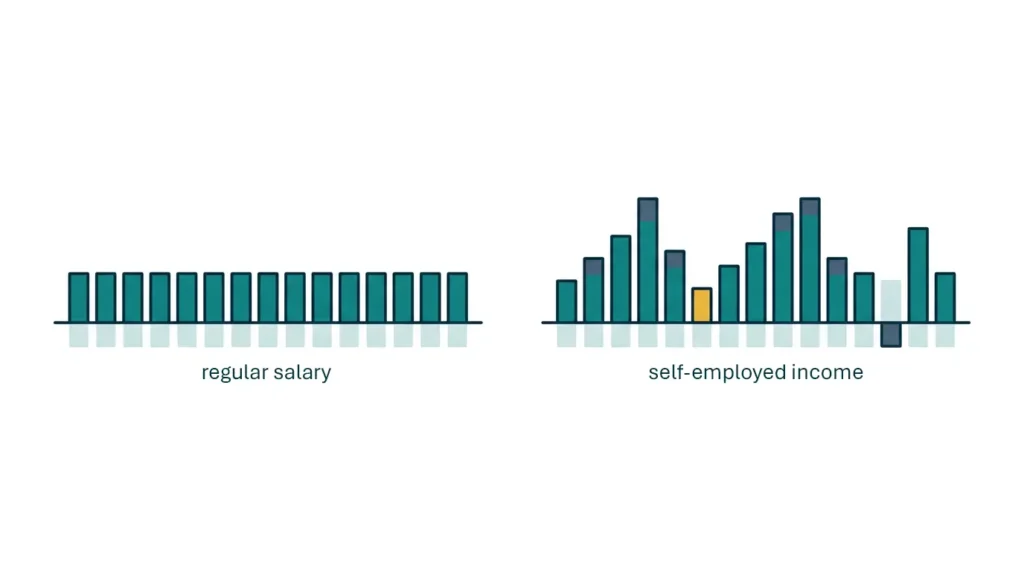
A lender’s job is to satisfy itself that you can comfortably afford the repayments. For someone on a salary, that is simple: two recent payslips and the income is obvious. For someone who runs their own business, the picture is messier, and that is the whole issue.
Your income might rise and fall with the seasons. You may legitimately reduce your taxable income through deductions, which lowers the figure a lender sees on your tax return. Money might move between a business account and a personal one. None of that means you cannot afford a mortgage. It just means the lender has to work a little harder to see your true position, and you have to present it clearly.
What lenders want to see
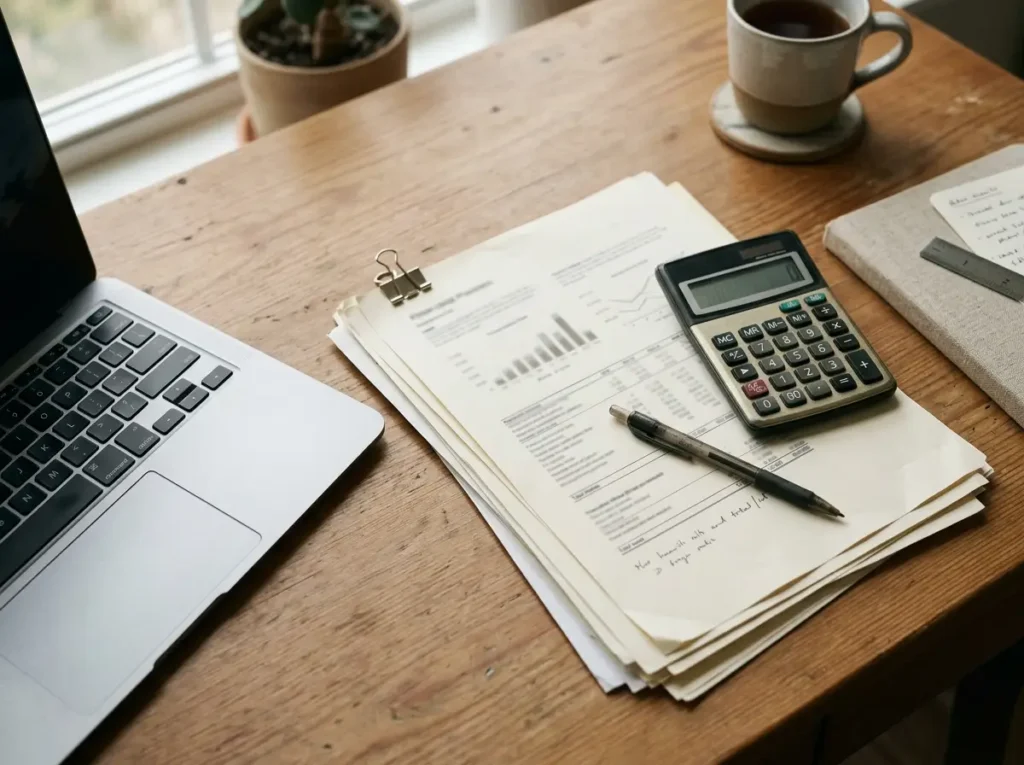
For a self-employed applicant, most lenders look for evidence that your income is real and reasonably stable. Commonly that means:
- Your two most recent years of personal tax returns and notices of assessment
- Business tax returns and financial statements for the same period
- Business Activity Statements, which show your turnover through the year
- Business and personal bank statements
- Details of any existing debts, including any ATO debt
The cleaner and more complete that picture, the easier it is for a lender to say yes. Gaps, missing statements or out-of-date returns are the things that slow an application down or sink it.
How long do I need to have been self-employed?
This is one of the most common worries, and the honest answer is that it varies by lender. Many want to see around two years of self-employment history, because that gives them two comparable years of figures. Some will consider a shorter trading history in the right circumstances, particularly if you have a long track record in the same industry beforehand.
This is exactly where the lender you choose matters. Lenders differ a lot in how they treat self-employed applicants, and one bank’s firm no can be another’s straightforward yes. Knowing which lenders take a practical view is a large part of what we do.
When your tax return understates your real income
Here is a situation we see often. A business owner has worked hard with their accountant to reduce taxable income, which is sensible at tax time, but it leaves the income figure on paper looking lower than what the business genuinely earns. Come loan time, that lower figure limits borrowing capacity.
There are legitimate ways to address this. Some lenders will add back certain expenses, like depreciation or one-off costs, to get closer to your real earnings. Others offer different assessment approaches for self-employed borrowers with strong businesses but complex returns. The Australian Securities and Investments Commission sets the responsible lending obligations lenders work within, so any assessment still must show you can genuinely afford the loan. The point is not to inflate your income. It is to present an accurate, complete picture so a lender sees what you earn, not an artificially low snapshot.
Why a knock-back isn’t the end
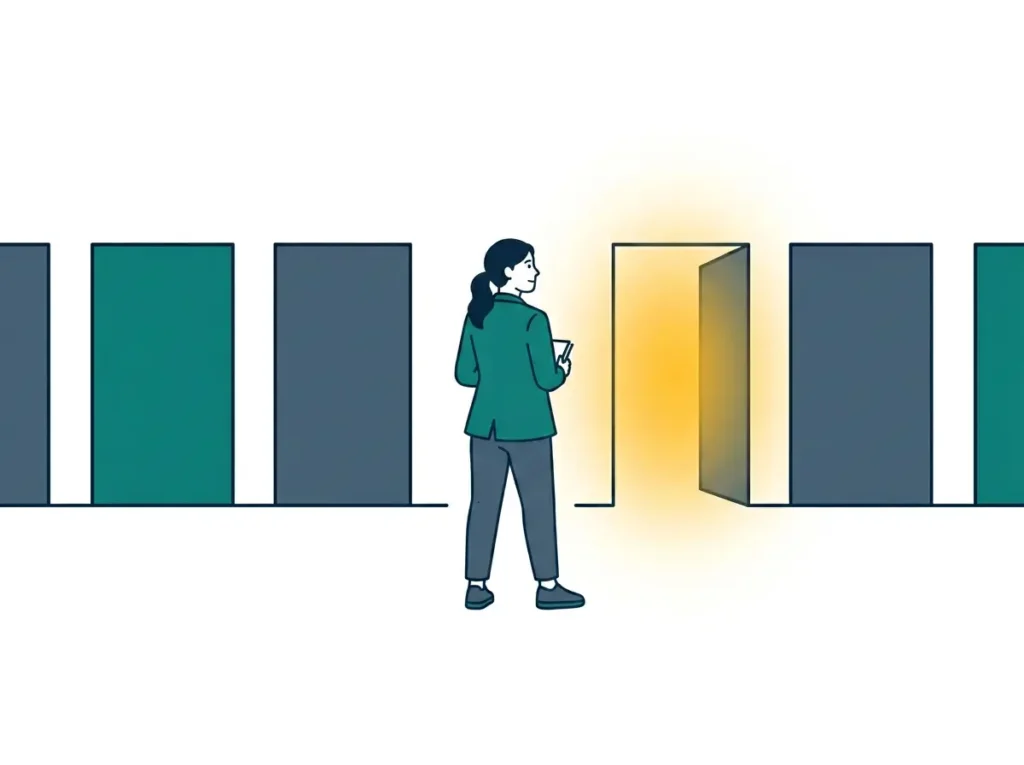
A self-employed borrower being declined by one lender often reads it as a verdict on whether they can buy at all. Usually it is not. It frequently means that one lender’s policy did not fit that one application, on that day, as it was presented.
A different lender may assess the same income completely differently. A cleaner application, or one that explains an irregular year properly, may get a different result. The consumer regulator’s guidance, MoneySmart, has a useful overview of using a mortgage broker and the questions worth asking. The value of a broker here is knowing, before you apply, which lenders are likely to suit your circumstances, so you are not collecting knock-backs that dent your confidence and your credit file.
Where we come in
We work with self-employed borrowers across Traralgon and the wider Gippsland region, and we understand how lenders read business income because of years spent on the lender side as well as broking. That means we can help you present your financials clearly, point you towards lenders who take a sensible view of self-employed income, and give you a realistic read on your borrowing position before you apply.
If business growth finance is also on your mind, that is a separate conversation we cover in our piece on how a broker can help your business grow. This one is about getting you into a home.

Let's talk about your home loan
Being self-employed should not stand between you and your own home. The key is understanding how lenders see your income and presenting it the right way, with the right lender.
Not sure where to start? A quick conversation with Justin will sort that out. We will give you an honest read on where you stand, what a lender will want to see, and the realistic path to a self-employed home loan, here in Gippsland.
FAQs
Can I get a home loan if I am self-employed?
Yes. Self-employed borrowers can and do get home loans. The process differs from a salaried application because lenders assess your income from tax returns, financial statements and business activity statements rather than payslips, but a strong, well-presented application is very much achievable.
How long do I need to be self-employed to qualify?
It varies by lender. Many look for around two years of self-employment history so they have two comparable years of figures, though some will consider a shorter history in the right circumstances, particularly with prior experience in the same field. A broker can match you to a lender whose policy fits your situation.
What documents will I need for a self-employed home loan?
Lenders typically ask for your two most recent years of personal tax returns and notices of assessment, business tax returns and financial statements, Business Activity Statements, business and personal bank statements, and details of any existing debts. Having these ready and up to date makes the process much smoother.
My accountant minimises my taxable income. Will that hurt my borrowing capacity?
It can, because lenders assess the income shown on your returns. The solution is not to change your tax approach but to present an accurate full picture. Some lenders add back certain expenses or use different assessment methods for self-employed borrowers, which can help reflect what your business genuinely earns.
I was knocked back by my bank. Does that mean I cannot get a loan?
Not usually. One lender’s decline often just means that lender’s policy did not fit your application as presented. Another lender may assess the same income very differently. This is where a broker helps, by identifying suitable lenders before you apply rather than after a knock-back.