For businesses at any stage of maturity, from sole traders to established enterprises, managing capital effectively is central to growth. Business expansion typically requires acquiring assets, managing operational cash flow, or funding new market opportunities. Selecting the appropriate financial instrument affects how efficiently a business can deploy working capital while managing debt obligations.
The structure of a residential property loan also affects personal asset protection, taxation exposure and long-term borrowing flexibility.
Commercial Loan Structures
Commercial financing is not uniform. The choice of debt structure affects cash flow, interest expense and operational flexibility.
- Term Loans (Upfront Funding): The lender provides the entire capital sum at settlement. The borrower repays principal and interest through scheduled instalments over a fixed term, providing predictability for long-term capital investment.
- Revolving Credit Lines (Flexible Facilities): Borrowers access funds as needed up to a predetermined limit. Interest is charged only on the drawn balance, making this structure suited to managing seasonal cash flow.
Choosing between these structures requires balancing borrowing capacity against debt servicing requirements.

Asset and Capital Equipment Finance
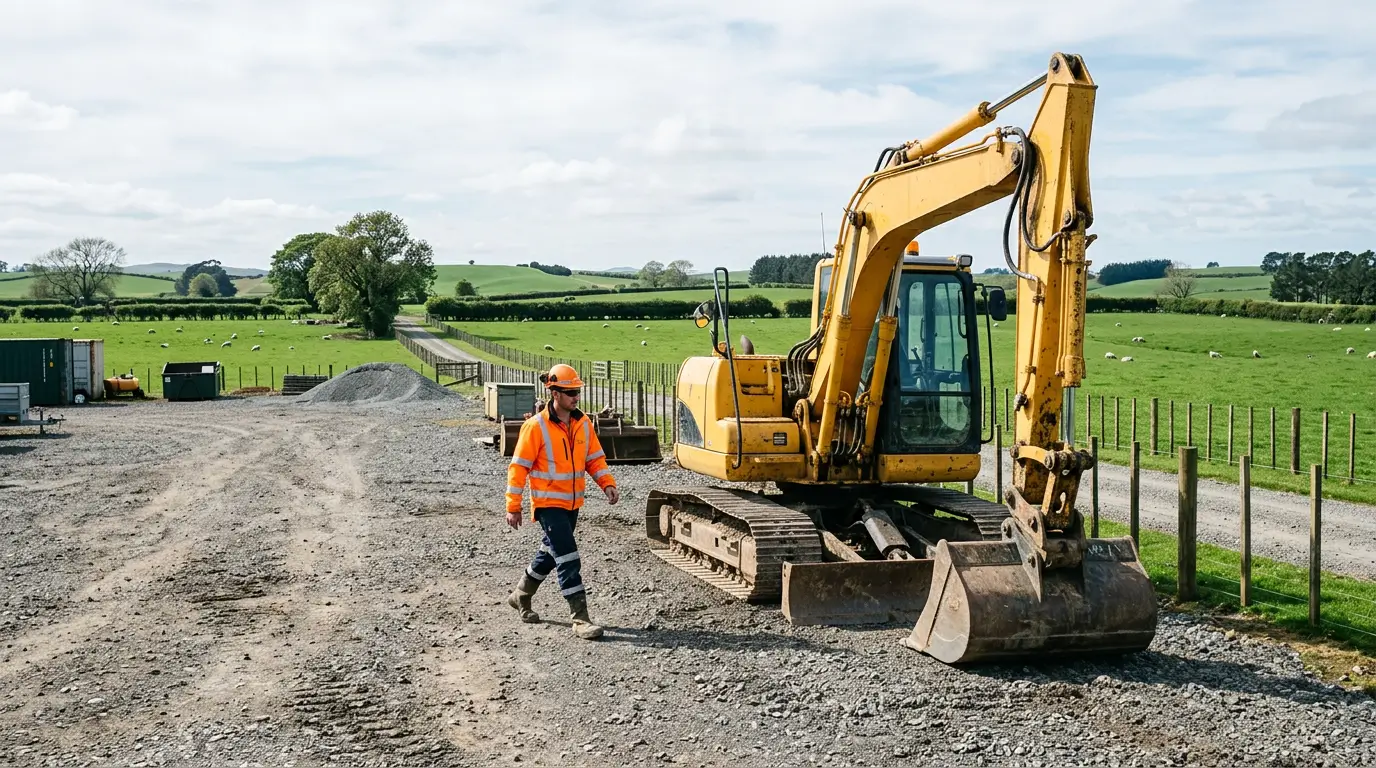
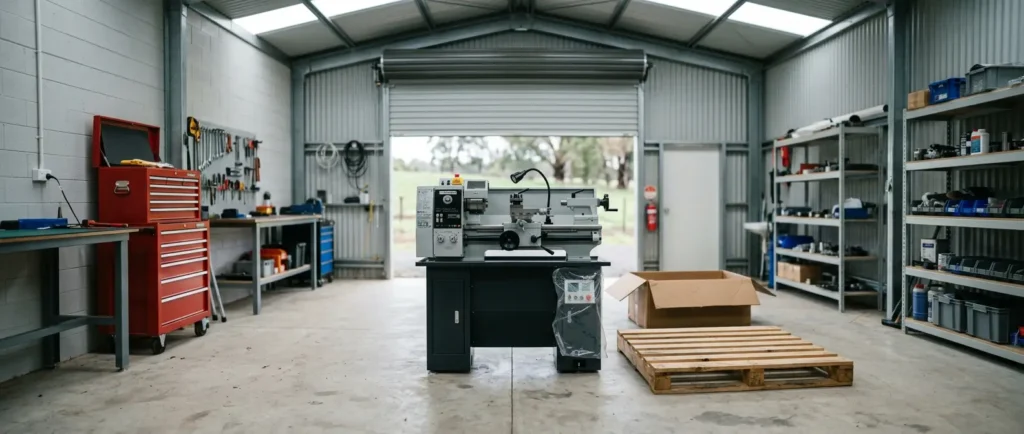
Acquiring operational machinery, commercial vehicles or technology requires weighing upfront capital expenditure against ongoing finance costs. Equipment finance allows businesses to preserve working capital by spreading the cost over the asset’s useful life.
Common structures include:
- Chattel Mortgages: The business takes ownership of the asset at purchase, and the lender secures a mortgage over it until the loan is repaid.
- Commercial Hire Purchase (CHP): The lender purchases the asset and the business pays it off through scheduled instalments, with ownership transferring once the final payment is made.
- Finance Leases: The lender retains ownership while the business uses the asset for a fixed fee, with options to purchase, extend or return it at the end of the term.
Taxation Incentives: The Instant Asset Write-Off
The instant asset write-off allows eligible businesses to immediately deduct the business-use portion of an asset’s cost in the year it is first used or installed ready for use. From 1 July 2026, the $20,000 threshold was made permanent, applying to businesses with an aggregated annual turnover under $10 million. It covers both new and second-hand assets, including machinery, commercial vehicles, tools and office equipment, subject to certain exclusions. Full eligibility detail is covered in our equipment finance guide.
The Role of a Mortgage Broker for Self-Employed Borrowers
The commercial lending market includes traditional banks, non-bank lenders and specialist credit providers, each with distinct credit policies.
Commercial finance brokers act as intermediaries between businesses and lenders. Their role includes:
- Market comparison: Evaluating products across multiple lending panels for competitive pricing and terms.
- Credit structuring: Aligning loan conditions with the borrower’s balance sheet requirements.
- Application management: Compiling financial statements, tax records and cash flow forecasts to meet lender servicing criteria.
Reinbeck Finance has over 30 years of business banking and broking experience. Sustainable business growth relies on appropriate financing structures and understanding available taxation incentives. More detail is available on our commercial loans.
FAQs
What is the difference between a term loan and a revolving credit line?
A term loan gives you the full amount at settlement, and you repay principal and interest in scheduled instalments over a fixed term. A revolving credit line lets you draw funds up to a set limit as you need them, and you pay interest only on the balance you have drawn.
Which type of commercial loan suits seasonal cash flow?
A revolving credit line usually suits seasonal cash flow, because you draw funds when you need them and pay interest only on what you use. A term loan suits long-term investments where fixed repayments give you predictability.
How does equipment finance help a business?
Equipment finance spreads the cost of machinery, commercial vehicles or technology over the asset’s useful life. That keeps working capital available for day-to-day operations while you get the equipment you need to grow.
What does a commercial finance broker do?
A commercial finance broker compares products across multiple lenders and structures the loan to suit your balance sheet. They also prepare the application, including financial statements, tax records and cash flow forecasts, so it meets lender servicing criteria.
What is the instant asset write-off?
It lets eligible businesses with an aggregated annual turnover under $10 million deduct the business-use portion of an asset’s cost in the year it is first used or installed ready for use. The $20,000 threshold became permanent from 1 July 2026 and covers new and second-hand assets, with some exclusions.