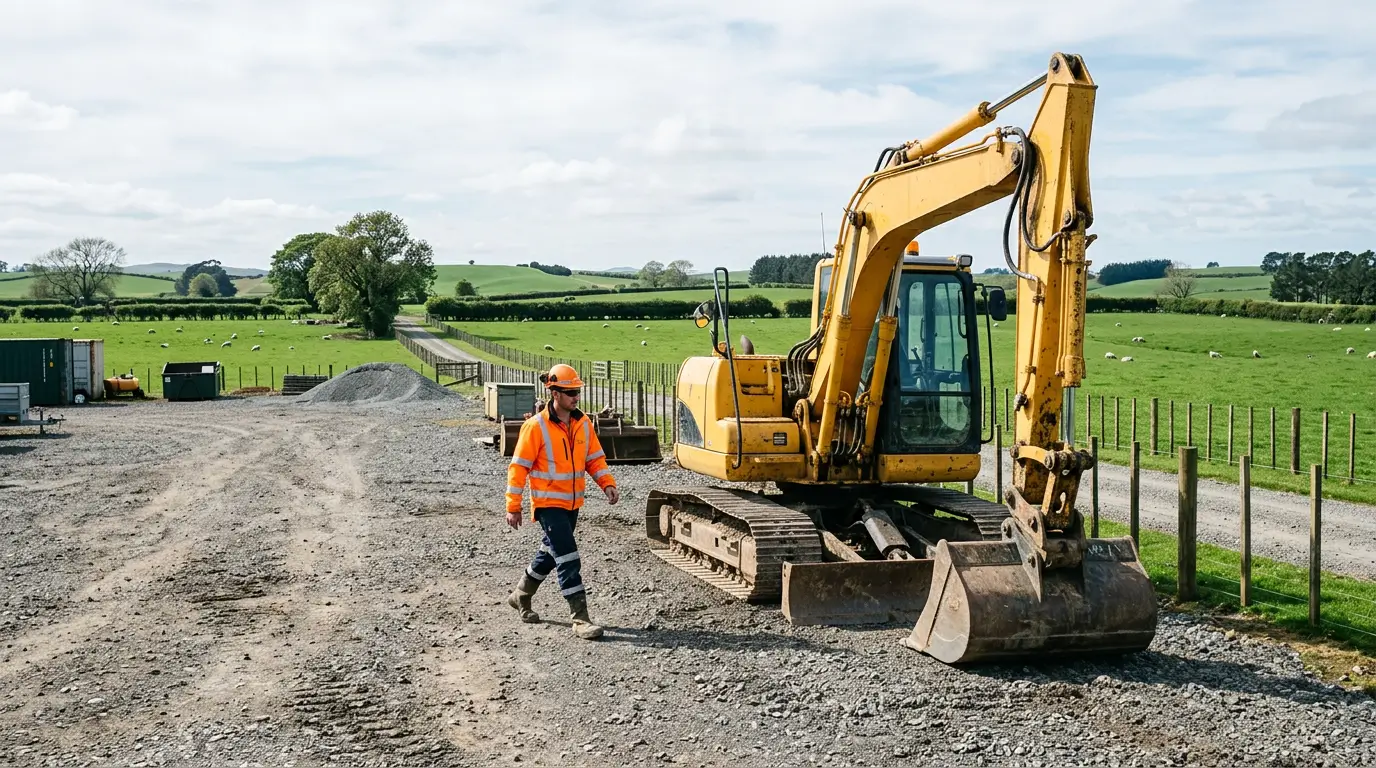
Equipment finance funds tangible assets, such as machinery, commercial vehicles and technology, without draining a business’s operational cash reserves. By spreading the capital cost of an asset over its useful economic life, businesses preserve working capital while maintaining productivity.
Asset Finance Product Structures
When financing equipment in Australia, the contract structure selected dictates legal ownership, accounting treatment and balance sheet exposure.
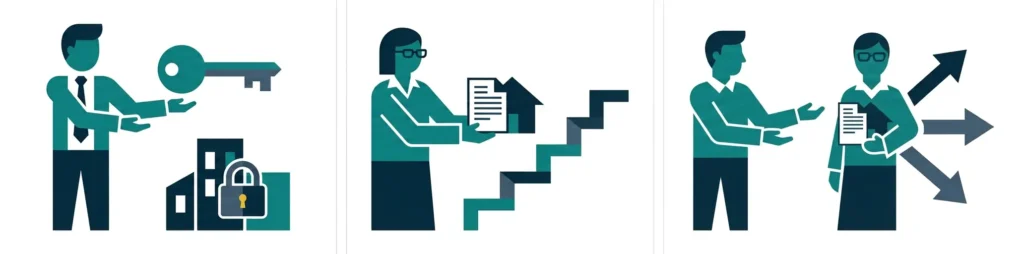
- Chattel Mortgages: The borrowing entity assumes legal ownership of the asset at the point of purchase. The lender secures a mortgage over the asset until the business repays the debt in full. Because ownership rests with the business, it may be eligible to claim depreciation and interest deductions.
- Commercial Hire Purchase (CHP): The lender purchases the asset, and the business hires it via scheduled instalment payments. While the business holds operational control, legal ownership passes to the buyer only after the final payment clears.
- Finance Leases: The lender retains ownership of the equipment and leases it to the business for a fixed fee. At maturity, the business typically has three options. It can purchase the asset for a residual value, extend the lease term, or return the equipment.
Australian Taxation Context: The Instant Asset Write-Off
Policymakers use tax incentives to encourage business investment in assets. In Australia, the instant asset write-off is the primary mechanism for this.
The Treasury Laws Amendment (Tax Reform No. 2) Act 2026 made the $20,000 threshold permanent from 1 July 2026. It followed an earlier extension that applied for the 2025 to 2026 income year. Eligible businesses with aggregated annual turnover under $10 million can deduct the business-use portion of an asset’s cost immediately. It applies per asset, in the income year the business first uses it or installs it ready for use.
The deduction applies to both new and second-hand tangible assets, including manufacturing machinery, commercial vehicles, transport trailers and office technology. A few categories fall outside it. These include assets leased out more than half the time, assets used in research and development, and capital works. A separate car limit applies to motor vehicles. It gets a review each financial year and currently sits at $69,883 for 2026 to 2027.
Legislative settings, including turnover thresholds and excluded asset categories, can change. Businesses should confirm current figures with a qualified accountant or the Australian Taxation Office before final procurement.
Credit Approval Streams: Low-Doc, Mid-Doc and Full-Doc
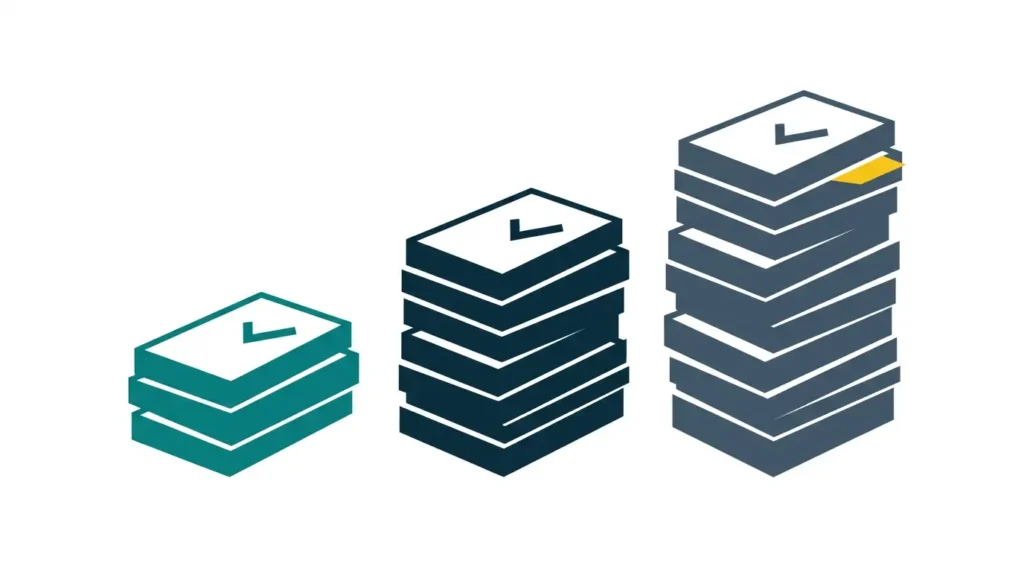
Australian commercial lenders categorise equipment finance applications into distinct approval pathways based on the depth of financial documentation provided. The stream selected influences processing speed, interest rates and maximum borrowing limits.
Low-Doc (Low Documentation)
- Objective: Rapid processing without requiring comprehensive historical financial statements.
- Prerequisites: Generally, an active ABN, often for a minimum of 12 to 24 months, and GST registration. Lenders also expect a clean credit history, plus asset backing or a reasonable cash deposit.
- Application scope: Typically restricted to standard assets, such as commercial vehicles or common yellow goods, up to lender-specific limits. Limits vary between lenders, so confirm them at application.
Mid-Doc (Medium Documentation)
- Objective: Bridges the gap between fast-tracked approvals and full credit assessments, with higher borrowing limits than low-doc.
- Prerequisites: Basic proof of serviceability without full forensic reporting. Lenders often request recent Business Activity Statements, interim management accounts, or three to six months of bank statements.
- Application scope: Used when the asset cost exceeds low-doc thresholds, or when financing specialised equipment carrying a higher risk profile.
Full-Doc (Full Documentation)
- Objective: A thorough, traditional credit assessment for substantial capital investments, specialised machinery, or the most competitive market interest rates.
- Prerequisites: A complete financial application package. This generally includes two years of financial statements, corporate and personal tax returns, and cash flow forecasts.
- Application scope: Used for high-value asset acquisitions, large-scale fleet funding, or custom industrial equipment. In these cases, the lender requires full visibility of debt servicing capacity.
The Advisory Role in Equipment Procurement
The commercial equipment lending market includes traditional banks, non-bank financiers and niche asset lenders. Each has differing risk appetites and credit criteria.
Commercial finance brokers act as intermediaries. They match a business’s asset type and available documentation (low, mid or full-doc) with an appropriate lender. This helps ensure the loan structure aligns with the business’s balance sheet objectives and long-term cash flow position.
Reinbeck Finance has over 30 years of business banking and broking experience. Sustainable business growth relies on appropriate financing structures for loans and equipment acquisitions. It also depends on understanding available taxation incentives, such as the instant asset write-off. More detail is available on our equipment finance page.
FAQs
What is the difference between a chattel mortgage and commercial hire purchase?
With a chattel mortgage, your business owns the asset from the point of purchase and the lender holds a mortgage over it until the loan is repaid. With commercial hire purchase, the lender buys the asset and legal ownership passes to you only after the final payment.
Who owns the equipment under a finance lease?
The lender keeps ownership throughout. You pay a fixed fee to use the equipment, and at the end of the term you can typically buy it for a residual value, extend the lease or return it.
Can I claim deductions on equipment bought with a chattel mortgage?
Because your business owns the asset, it may be eligible to claim depreciation and interest deductions. Confirm what applies to you with your accountant.
Does the instant asset write-off apply to second-hand equipment?
Yes. The deduction covers new and second-hand tangible assets, including manufacturing machinery, commercial vehicles, transport trailers and office technology, for businesses with aggregated annual turnover under $10 million. A few categories are excluded, so check with your accountant or the ATO before you buy.
What is the difference between low doc, mid doc and full doc equipment finance?
Low doc is the fastest pathway and needs the least paperwork. Mid doc asks for items such as recent BAS or bank statements, and full doc needs two years of financial statements and tax returns. The pathway you use influences processing speed, interest rates and borrowing limits.
What do I need for a low doc equipment finance application?
Lenders generally ask for an active ABN, often held for 12 to 24 months, GST registration, a clean credit history, and asset backing or a reasonable cash deposit. Limits vary between lenders, so confirm them at application.