Yes, in most cases. An SMSF commercial property loan is still available if the premises you are buying meet the definition of business real property. What changed on 10 August 2026 is what a fund can borrow to buy. Residential investment property is off the table for new arrangements. Owner-occupied commercial premises, the workshop, the warehouse, the consulting rooms, is the part that survived. If you run a business in Gippsland and you have been weighing up buying your own premises through your super, the timing matters more now than it did six months ago. We arrange commercial finance for business owners across Gippsland, and this is the part of that work that runs on super law rather than standard lending criteria.
What Is an SMSF?
A self-managed super fund, or SMSF, is a superannuation fund you run yourself instead of leaving your super with a bank or industry fund. You and up to five other members act as the trustees, which means you make the investment decisions and carry the legal responsibility that comes with them.
Most super funds decide where your money goes on your behalf. An SMSF hands you that control instead, within strict rules set out in superannuation law. One of the things a fund can do, if it meets those rules, is buy property, including the premises your own business runs from. That is what the rest of this article covers: what your fund is allowed to borrow for, and what changed in August 2026.
What Changed on 10 August 2026
A Parliamentary Amendment agreed on 25 June 2026 narrowed the borrowing rules for super funds, and it is now law. The ATO’s summary of the changes to the LRBA provisions explains that the amendment changes the meaning of an acquirable asset to exclude real property that does not meet the definition of business real property.
Three points follow from that:
- It applies only to arrangements entered into on or after 10 August 2026.
- It does not touch arrangements that existed before that date.
- It does not touch the refinancing of those earlier arrangements either.
In plain terms, your fund can no longer borrow to buy a residential investment property. It can still borrow to buy the building your business trades from.
What Business Real Property Means
Business real property carries a specific meaning in super law, and the bar is higher than simply calling something commercial. The ATO defines business real property as land and buildings used wholly and exclusively in a business, and treats it as an exception to both the in-house asset rules and the related party acquisition rules.
The test looks at how the property gets used, not at the label on the title. How that plays out:
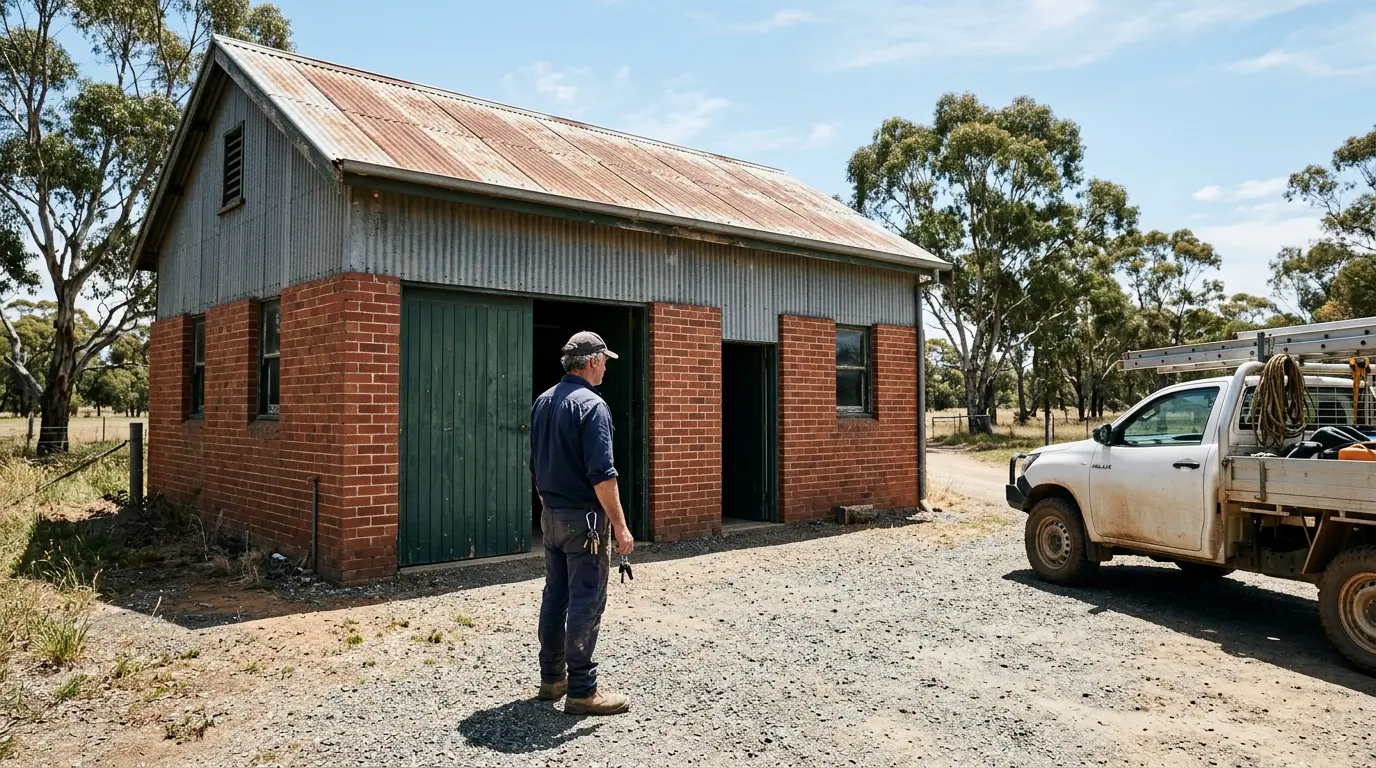
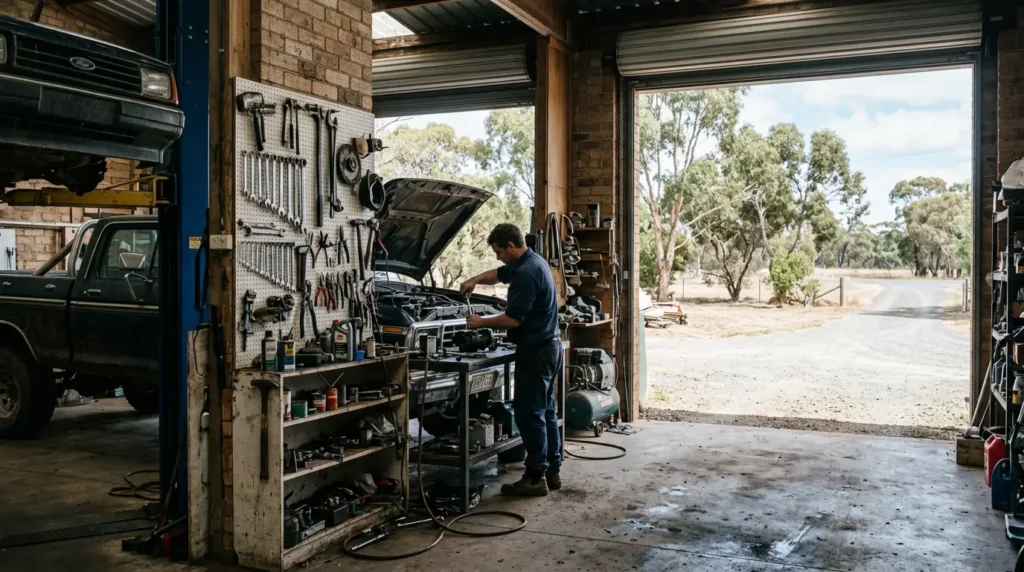
- A mechanic’s workshop in Morwell the business occupies full time. Qualifies.
- A warehouse in Traralgon leased to an unrelated trading business. Qualifies.
- A house in Sale rented to a residential tenant. Does not qualify.
- A shopfront with a flat above it that a family member lives in. Needs a closer look, because the residential use breaks the wholly and exclusively test.
Farms sit in their own category. The ATO allows a dwelling used for private or domestic purposes on land of no more than 2 hectares, provided the main use of the whole property is not domestic or private. That matters across Gippsland, where plenty of business premises sit on a working property.
How the Loan Works, and Where the Bare Trust Fits
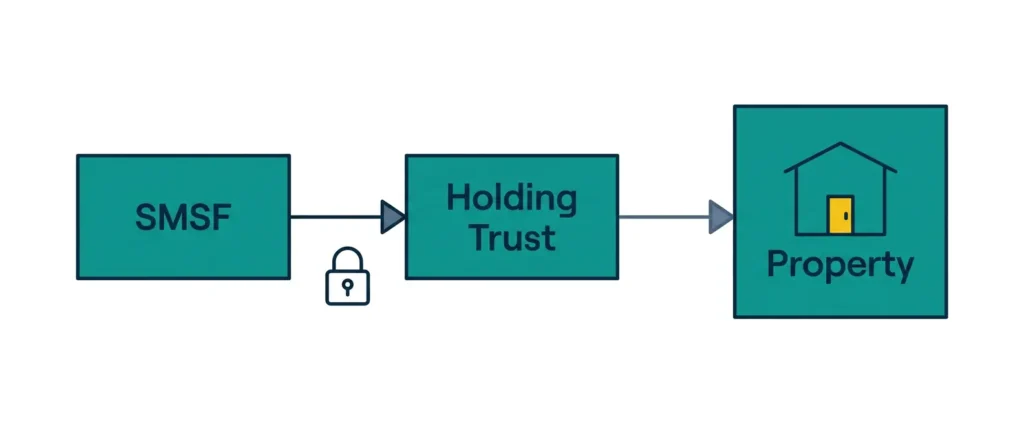
Your fund cannot simply take out a mortgage. It borrows through a limited recourse borrowing arrangement, and the structure has fixed parts. The ATO’s guidance on holding trusts sets them out:
- The fund takes a loan to buy a single acquirable asset.
- A separate trust, the holding trust, holds legal title to that asset.
- The fund holds the beneficial interest and takes legal ownership once it repays the loan.
- On default, the lender’s recourse stops at that one property and does not reach the rest of the fund.
That separate trust is what most people call a bare trust. Super law does not prescribe the type of trust, but the fund trustee has to hold a beneficial interest in the asset and the right to take legal ownership after making payments. A discretionary trust will not do the job.
Here is the part that changes your costs. Some financiers supply the bare trust deed as part of the loan package. Others expect you to arrange it yourself through your accountant or solicitor. That single difference moves your setup cost and your settlement timeline, so ask about it before you settle on a lender.
What Lenders Want Before They Approve an SMSF Commercial Property Loan
Get these in order first:
- The fund’s current balance and its written investment strategy
- The trust deed, checked to confirm it permits borrowing
- Two years of business financials and BAS, because lenders assess the trading business too
- Property details, including how the business will occupy or lease the premises
- A written lease at market rent if a related business will be the tenant
- Your accountant and adviser involved from the start, not after you find a property
SMSF lending is a much smaller market than standard commercial lending. The lenders in it hold firm views on minimum fund balances, contribution history and loan size, and those views vary a lot between them. Knowing which ones suit your fund before you apply saves weeks and spares your credit file a run of knock-backs. The same principle applies when lenders assess self-employed income on a home loan: presentation and lender choice decide the outcome.
Where We Fit
We arrange the finance. We do not advise on whether an SMSF suits you, whether property belongs in your fund, or how a purchase affects your retirement position. Those decisions belong with your accountant and your licensed adviser, and the ATO recommends getting advice from a qualified, licensed professional before entering an arrangement like this.
What we bring is the lending side. Justin spent 30 years in commercial banking before broking, so he reads an SMSF application the way a credit team reads it. He knows which lenders provide the bare trust, which ones want a larger fund balance, and which ones will not consider a related party lease without a formal valuation.
Thinking About It for Your Business?
Buying your own premises through super is a bigger decision than most business purchases, and the rules moved recently enough that a lot of the advice sitting online is now out of date. Talk it through with Justin before you commit to anything. You will get a straight read on whether the lending stacks up, and a straight answer if it does not.
Call 03 9125 2020 or get in touch to start the conversation.
FAQs
What is an SMSF?
A self-managed super fund, or SMSF, is a superannuation fund that you and up to five other members run yourselves, rather than leaving your super with a bank or industry fund. As trustees, you make the investment decisions, including whether your fund borrows to buy property such as your business premises.
Can my SMSF still buy a commercial property after the 10 August 2026 change?
Yes, provided the property meets the definition of business real property. The change narrowed what a fund can borrow to acquire, and property used wholly and exclusively in a business remains eligible.
What counts as business real property?
The ATO describes it as land and buildings used wholly and exclusively in a business. The test is about how the property is used rather than how it is zoned or described. A dwelling on a farm can still fit if it sits on no more than 2 hectares and the main use of the whole property is not domestic or private.
Can my SMSF still borrow to buy a residential investment property?
Not for arrangements entered into on or after 10 August 2026. The amendment excludes real property that does not meet the business real property definition.
What is a bare trust and do I need one?
A bare trust, referred to in super law as a holding trust, holds legal title to the property while your fund holds the beneficial interest. Your fund takes legal ownership once the loan is repaid. Every limited recourse borrowing arrangement needs one. Some financiers supply the deed as part of the loan.
Does the change affect an SMSF loan I already have?
No. Arrangements entered before 10 August 2026 continue under the rules that applied at the time, and refinancing one of those arrangements is not affected either.